
7 simple and practical tips to maintain your eye health
1. Eat a Balanced, Eye-Friendly Diet
Good eye health starts with good nutrition. Your eyes need a variety of vitamins, minerals, antioxidants, and healthy fats to function properly.
Include plenty of green leafy vegetables, colourful fruits and vegetables, eggs, nuts, seeds, and fish in your diet. Foods such as spinach, broccoli, carrots, sweet potatoes, oranges, papaya, and fatty fish can provide nutrients that support overall eye health.
A balanced diet is generally preferable to taking supplements without professional advice. Certain nutritional supplements may be useful for specific eye conditions, but they are not suitable for everyone.
Tip: Try to include different colours of fruits and vegetables in your meals rather than relying on one particular food for better eyesight.
2. Protect Your Eyes from UV Rays
Long-term exposure to ultraviolet (UV) radiation can be harmful to your eyes. Whenever you spend time outdoors in strong sunlight, wear sunglasses that provide UVA and UVB protection.
Larger frames or wraparound sunglasses can provide additional coverage, particularly in bright or windy conditions.
Remember that sunglasses are not just a fashion accessory—they are an important part of protecting your eyes when you're outdoors.
3. Follow Healthy Screen Habits
Phones, computers, tablets, and other digital devices are now part of everyday life. Spending long periods looking at a screen can contribute to tired, dry, or uncomfortable eyes, especially when you take fewer breaks or blink less often.
Make a conscious effort to:
- Take regular breaks from your screen.
- Look away from the screen periodically.
- Blink fully and frequently.
- Keep your screen at a comfortable distance.
- Adjust screen brightness according to your surroundings.
- Avoid working in excessive glare.
A useful approach is the 20-20-20 rule: every 20 minutes, look at something about 20 feet away for at least 20 seconds. The goal is to give your focusing system regular opportunities to relax.
4. Stay Hydrated
Your eyes depend on tears to remain comfortable and properly lubricated. Dehydration can affect the body's fluid balance and may contribute to ocular discomfort in some people.
Drink enough water throughout the day and include hydrating foods such as cucumber, watermelon, oranges, and other fruits and vegetables.
If you spend a lot of time in air-conditioned rooms or dry environments, pay extra attention to hydration and eye comfort.
5. Get Enough Quality Sleep
Your eyes work throughout the day and need adequate rest. Poor sleep may leave your eyes feeling tired, dry, irritated, or sensitive to light.
Try to maintain a consistent sleep schedule and give yourself enough time to rest each night.
Reducing screen use before bedtime can also make it easier to establish a relaxing nighttime routine.
Remember: Healthy eyes are part of a healthy lifestyle, and quality sleep is an important part of that lifestyle.
6. Avoid Rubbing Your Eyes and Maintain Good Eye Hygiene
Rubbing your eyes may feel relieving when they are itchy or tired, but frequent or forceful rubbing can irritate the delicate surface of the eye.
Instead:
- Wash your hands before touching your eyes.
- Avoid touching or rubbing your eyes unnecessarily.
- Keep makeup brushes and eye cosmetics clean.
- Remove eye makeup before sleeping.
- Avoid sharing eye makeup or towels.
- Keep contact lenses clean and follow the recommended wearing and replacement schedule.
If you wear contact lenses, proper hygiene is particularly important. Thorough hand washing before inserting or removing lenses and avoiding overnight wear unless specifically prescribed are important precautions.
If your eyes remain irritated, painful, red, or unusually sensitive, consult an eye-care professional rather than repeatedly rubbing or self-treating them.
7. Schedule Regular Eye Examinations
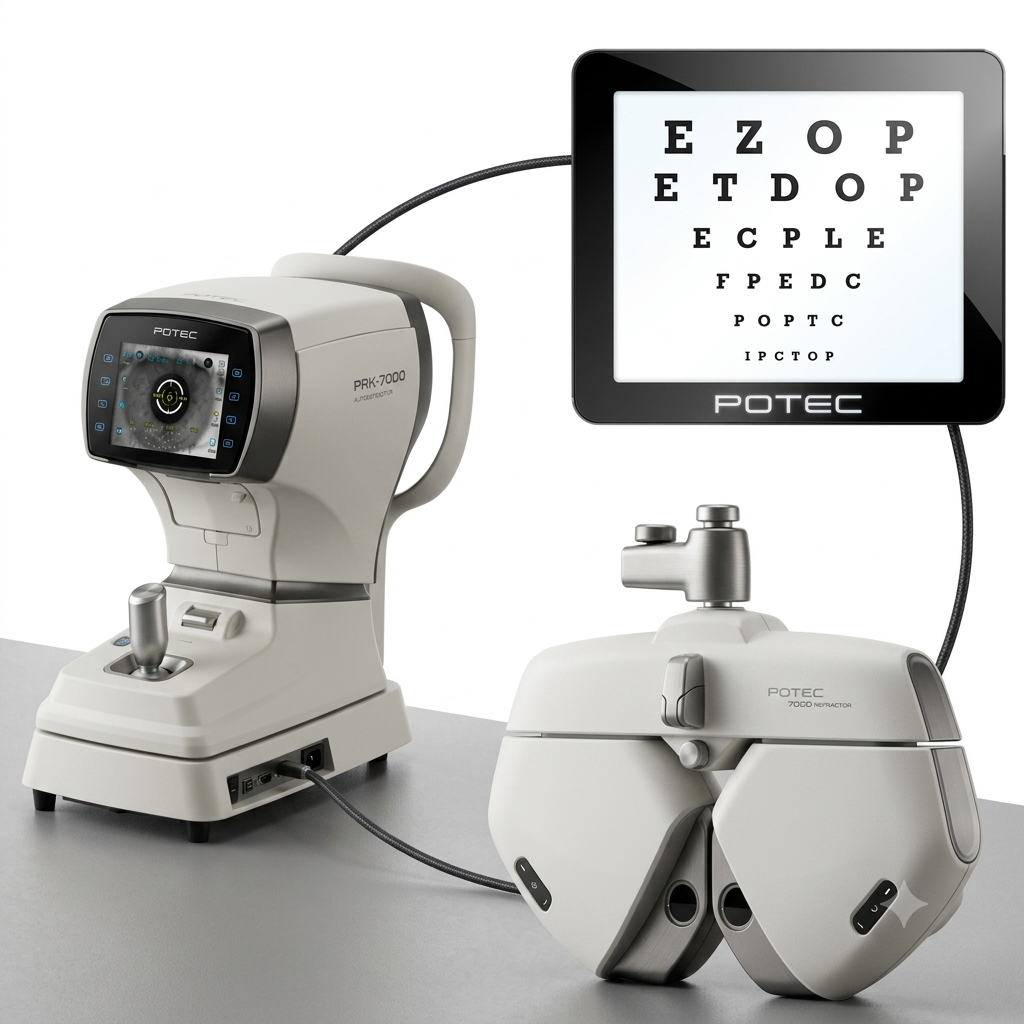
One of the best ways to protect your vision is to have your eyes checked by a qualified eye-care professional when recommended.
An eye examination can help identify changes in vision and detect certain eye problems early. This becomes especially important if you notice symptoms such as:
- Persistent blurred vision
- Sudden changes in vision
- Frequent headaches associated with visual tasks
- Eye pain
- Persistent redness
- New flashes or floaters
- Difficulty seeing at night
- Increased sensitivity to light
Do not ignore sudden or significant changes in vision. Seek professional eye care promptly when they occur.
Bonus Tip: Give Your Eyes a Break
Your eyes are constantly working—from reading and driving to using phones and computers. Building short periods of rest into your day can help improve comfort.
Close your eyes for a few moments, look into the distance, blink slowly, or simply step away from your screen.
These small breaks can be particularly useful if your work requires prolonged near-focus activities.
Why Eye Care Should Be a Daily Habit
Maintaining healthy eyes is not about following one magic remedy. It is about building several healthy habits into your everyday routine.
A nutritious diet supports your overall health, sunglasses help protect your eyes from UV exposure, screen breaks can improve comfort, hydration supports the tear system, sleep gives your body time to rest, good hygiene reduces unnecessary irritation, and professional eye examinations help monitor your vision.
The American Academy of Ophthalmology also emphasizes the importance of professional eye care and appropriate evaluation when vision or eye symptoms change.
Final Thoughts
Your eyes deserve the same attention and care that you give to the rest of your body. Start with simple changes: eat well, stay hydrated, sleep properly, protect your eyes from sunlight, take regular screen breaks, practise good eye hygiene, and don't skip recommended eye examinations.
Conclusion
Taking care of your eyes is an important part of maintaining your overall health and quality of life. Simple daily habits such as eating a nutritious diet, staying hydrated, getting enough sleep, protecting your eyes from UV rays, taking regular screen breaks, maintaining good eye hygiene, and scheduling routine eye examinations can help support healthy vision.