
+91 9507524016 info@cornecare.com H Block, Sector 63 , Noida U.P 201301
CorneCare

Progressive Myopia

Myopia

Understanding the Risks of Progressive Myopia

4.9 (128 Reviews)

Progressive myopia is the continuous increase in myopic refractive error, usually associated with excessive elongation of the eyeball (axial length). As myopia progresses, the risk of serious ocular complications increases.

CE Certified
International Quality
Premium Grade
Superior Material
Hospital Use
Medical Standard
Warranty
Manufacturer Support
MEDICAL INDICATIONS

Who Can Benefit From This Product?

Recommended for patients with corneal irregularities, ocular surface disorders and advanced vision correction requirements.

Retinal Detachment
Myopic Maculopathy
Glaucoma
Cataract
Choroidal Neovascularization
Permanent Vision Loss

Need Help Choosing the Right Lens?

Our eye care specialists can recommend the best solution according to your diagnosis and lifestyle.

Mechanism

Benefits

01

Family History

Children with one or both myopic parents have a higher risk of developing progressive myopia.

02

Excessive Near Work

Spending long hours reading, writing, or doing close-up tasks may increase eye strain and contribute to faster myopia progression.

03

Prolonged Digital Screen Time

Extended use of smartphones, tablets, and computers can place continuous visual stress on the eyes, increasing the risk of worsening myopia.

04

Limited Outdoor Activities

Insufficient time spent outdoors has been linked to a greater likelihood of developing and progressing myopia, especially in children.

05

Intensive Educational Demands

Heavy academic workloads and prolonged near-vision activities may contribute to faster myopia progression during the school years.

06

Urban Lifestyle

Living in urban environments, where outdoor exposure is often limited and near work is more common, has been associated with an increased risk of progressive myopia.

HOW IT WORKS

Your Journey To Better Vision

From consultation to long-term follow-up, our specialists guide you through every step for comfortable and successful lens wear.

01

Blurred Distance Vision

Difficulty seeing distant objects clearly, such as road signs, classroom boards, or television screens.

02

Squinting

Frequently narrowing the eyes to temporarily improve focus on distant objects is a common sign of myopia.

03

Frequent Eye Rubbing

Persistent eye rubbing may occur due to visual strain and discomfort caused by blurred vision.

04

Headaches

Eye strain from uncorrected or progressing myopia can lead to frequent headaches, especially after reading or screen use.

05

Sitting Close to the TV

Children with myopia often sit very close to televisions or digital screens to see images more clearly.

06

Frequent Change in Spectacle Power

A rapidly increasing glasses prescription may indicate progressive myopia and should be evaluated by an eye care professional.

Ready To Improve Your Vision?

Schedule a consultation with our experienced eye care professionals and discover the best solution for your vision.

FAQ

Frequently Asked Questions

What is progressive myopia?
Progressive myopia is a condition in which nearsightedness gradually worsens over time due to continued elongation of the eyeball, leading to increasing dependence on stronger glasses or contact lenses.
Who is at risk of progressive myopia?
Children and teenagers are most commonly affected, especially those with a family history of myopia, excessive near work, prolonged screen time, and limited outdoor activities.
Why is progressive myopia a concern?
As myopia increases, the risk of serious eye conditions such as retinal detachment, glaucoma, myopic maculopathy, and cataracts also increases later in life.
Can progressive myopia be slowed?
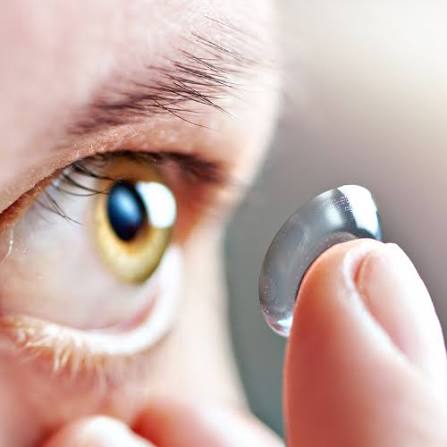
Yes. Evidence-based treatments such as Orthokeratology (Ortho-K), myopia control contact lenses, low-dose atropine eye drops, and lifestyle modifications can help slow myopia progression.
How often should myopia be monitored?
Children with myopia should have regular comprehensive eye examinations, typically every 6 to 12 months, or as recommended by their eye care professional.
When should I consult an eye care specialist?
You should seek an eye examination if you or your child experiences blurred distance vision, frequent changes in spectacle power, squinting, headaches, or difficulty seeing the classroom board or distant objects.

Request a Free Consultation

Fill in your details and our experts will contact you.

Benefits

Why Patients Choose Scleral Lenses

Complete Specialty Vision Solutions
Reliable Supply India & global
Technical & Clinical Product Support
Training Programs & Hands-on Workshops
Trusted Partner for Hospitals & Professionals
Dedicated Customer Support
WE ARE HERE TO HELP

Need Expert Assistance?

Our eye care professionals are always available to answer your questions and help you choose the most suitable vision solution.

Call Us

Speak directly with our eye care specialists for immediate assistance.

+91 95075 24016

WhatsApp

Chat with our experts and get instant product guidance.

Start Chat

Email Us

Send us your enquiry and receive a detailed response.

info@cornecare.com